Frequently Asked Questions
-
📍 Total Distance The classic Salkantay Trek covers approximately 74 km (46 miles).
Day 1: Mollepata to Soraypampa (Humantay Lake).
Day 2: Soraypampa to Collpapampa (We are here!).
Day 3: Collpapampa to Lucmabamba.
Day 4: Lucmabamba to Aguas Calientes (Machu Picchu Town).
Day 5: Machu Picchu Tour.
-
Challenging but Rewarding The trek is rated Moderate to Difficult.
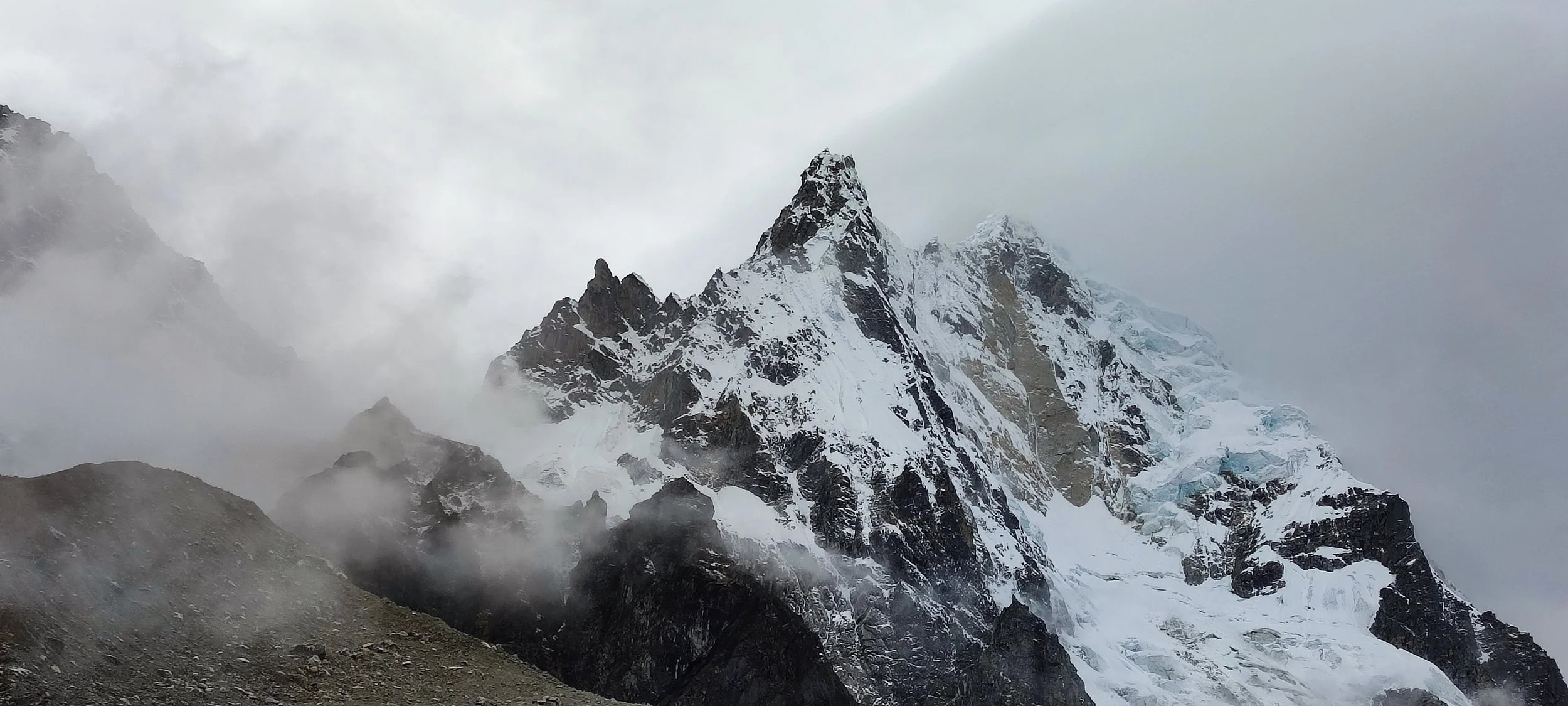
The Hardest Part: Day 2 is the most challenging as you cross the Salkantay Pass (4,630m / 15,190ft).
The Reward: After crossing the pass, you descend into the high jungle where the air is thicker and warmer. That is where you will find us—ready to help you recover!
-
No. Unlike the Inca Trail, you do not need a government permit to walk on the Salkantay path itself. You only have to pay an entrance fee at Mollepata town (20soles) . However, you MUST purchase your entrance ticket to Machu Picchu weeks or months in advance. You cannot buy Machu Picchu tickets at the gate.
-
Yes, absolutely. The trail is well-marked and very safe for independent hikers. Many travelers choose to hike without a guide so they can go at their own pace. If you hike solo, staying at local lodges (like ours) is a great way to support the local families living along the route.
-
Not if you stay in lodges. If you want to travel light, you can hike "Lodge-to-Lodge." There are family-run guesthouses at every major stop along the way.
At our lodge, we provide comfortable beds, warm blankets, and hot showers, so you don't need to carry camping gear.
-
ou do not need to carry 5 days' worth of food. You can buy hot meals (Breakfast, Lunch, Dinner) at the lodges along the way.
We have a grocery shop on-site for snacks and water, and we serve dinner and breakfast. We can also make you a box lunch for your next day's hike.
-
The weather changes drastically.
Day 1 & 2 (Morning): Cold, high-altitude, possibility of snow.
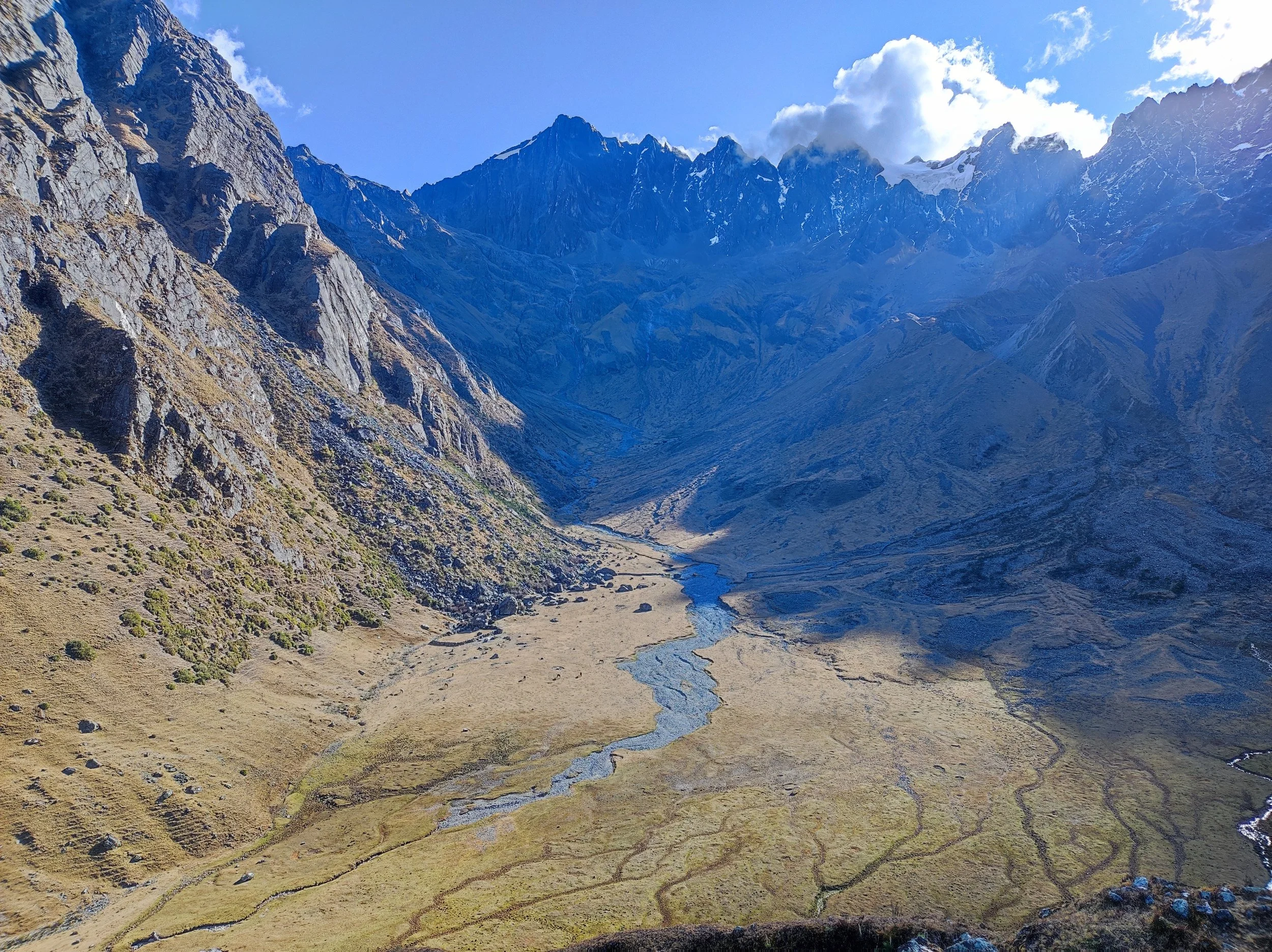
Day 2 (Afternoon) onwards: You descend into the "Ceja de Selva" (Cloud Forest). It becomes humid, warmer, and full of vegetation.
Note: The rainy season is typically from December to March. The dry season is from May to September.